Sewer Backups: Everything You Need to Know
Learn what causes sewer backups, how to spot the warning signs, the difference between a drain clog and a main sewer problem, and which repair options offer a real long-term fix.
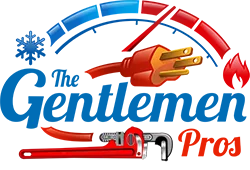

Learn how a toilet works, including the role of gravity, the tank, flapper, fill valve, and S-trap that keeps your bathroom sanitary.
Summarize with
The toilet is probably the least glamorous device in our homes, but it is certainly one of the most essential. Most of us rely on it every day while rarely thinking about how it actually works.
Despite its simplicity in use, the toilet is a clever piece of plumbing engineering that has greatly improved hygiene and quality of life around the world.
All flush toilets operate using the same basic principle: gravity. The toilet tank, also called the cistern, holds water that is released into the toilet bowl when you flush. The force of that water clears the bowl and carries waste into the home’s drain system.
The tank simply needs to hold enough water to generate enough pressure to move waste through the bowl and into the plumbing system.
The tank fills with water through a supply line connected to your home’s plumbing system. Water enters either through the bottom or the side of the tank depending on the toilet model.
Inside the tank is a fill valve (sometimes historically called a ballcock) and a float. As water fills the tank, the float rises. Once the water reaches the proper level, the float signals the valve to stop the flow of water so the tank does not overfill.
When you push the toilet handle, it lifts a chain or lift rod inside the tank. This chain raises the flapper, which normally seals the opening at the bottom of the tank called the flush valve seat.
Once the flapper lifts, gravity pulls the tank water down into the bowl. The water flows through passages under the rim of the toilet and into the bowl, creating a swirling motion that helps push waste down the drain.
This swirling action is sometimes described as a mini cyclone, helping move everything out of the bowl and into the plumbing system.
Almost immediately after the flush begins, the flapper falls back into place and seals the flush valve again. This allows the tank to begin refilling with water while the bowl returns to its normal level.
Within a short time, the float rises again and stops the water flow once the proper tank level is reached.
One of the most important parts of a toilet is the S-trap, sometimes called the S-bend. This is the curved pipe built into the base of the toilet.
The S-trap always contains a small amount of water. That water forms a seal between your bathroom and the sewer line. Without it, sewer gases and odors could travel back into the home.
When the toilet flushes, water moving through the S-trap creates a siphon effect that helps pull the bowl contents through the trap and into the drain line.
The toilet may seem simple, but several components work together to make each flush effective. The tank, flapper, fill valve, float, rim passages, and S-trap all play a role in keeping the system functioning properly.
If any of these parts fail, you may experience problems such as weak flushing, running toilets, or leaks.
If your toilet is constantly running, not flushing properly, or leaking around the base, it may be time for repair or replacement. The Gentlemen Pros can help diagnose toilet issues and provide professional plumbing services to keep your home running smoothly.
TRENDING NEWS
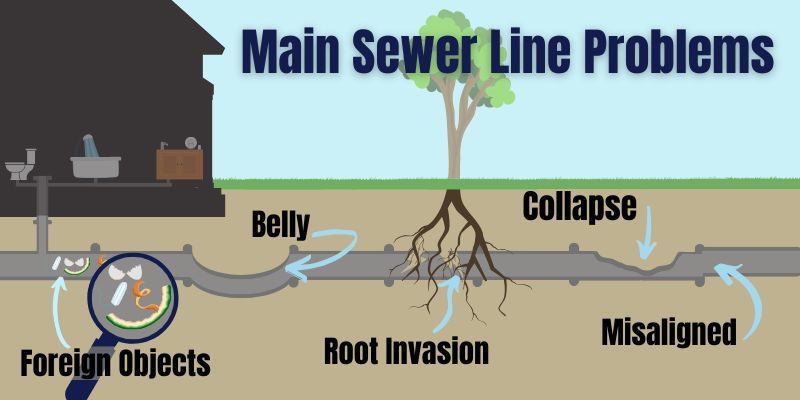
Learn what causes sewer backups, how to spot the warning signs, the difference between a drain clog and a main sewer problem, and which repair options offer a real long-term fix.




Plumbing, heating & electrical service
2026 The Gentlemen Pros