Sewer Backups: Everything You Need to Know
Learn what causes sewer backups, how to spot the warning signs, the difference between a drain clog and a main sewer problem, and which repair options offer a real long-term fix.


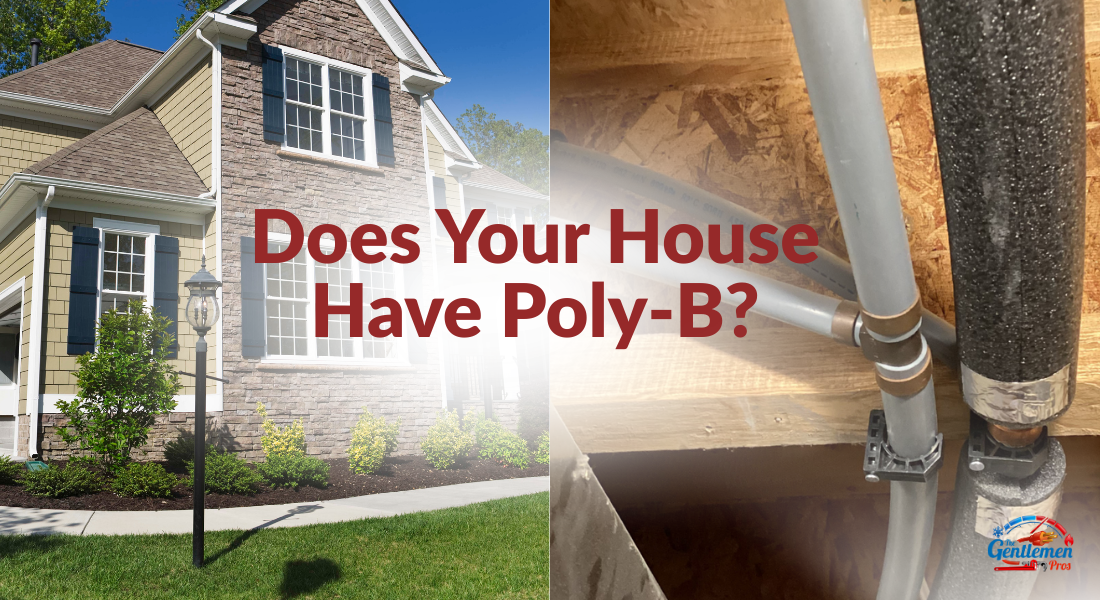
Poly-B plumbing was widely used in homes from the 1970s to the 1990s and is now known for leaks and unexpected failures. Learn how to identify it, why it matters, and what to do next.
Summarize with
Few plumbing or building materials have caused as much controversy and debate as Polybutylene, commonly known as Poly-B. What began as an innovative solution to streamline plumbing installations, became a cautionary tale of failures and class action lawsuits. If you have a home built or renovated in the 1980s or 1990s, you likely have poly-B water lines in your home.
Poly-B pipes emerged onto the construction scene in the late 1970s. It was an innovative, cost-effective and easy-to-install alternative to traditional metal pipes. Poly-B was flexible compared to metal water line pipes and resilient to freeze damage, an appealing feature in Canada.
Unfortunately, after a decade of installing Poly-B, reports of leaks, ruptures, and extensive water damage began surfacing in homes across the country. Poly-B has become known for developing pinhole leaks. It has a history of failing without warning. The pipes get brittle over time and often leak near the crimping rings.
If you have Poly-B in your home, it is like having a ticking time bomb. At some point, the Poly-B water pipes may fail. Often, major water damage is created by a leak that goes undetected.
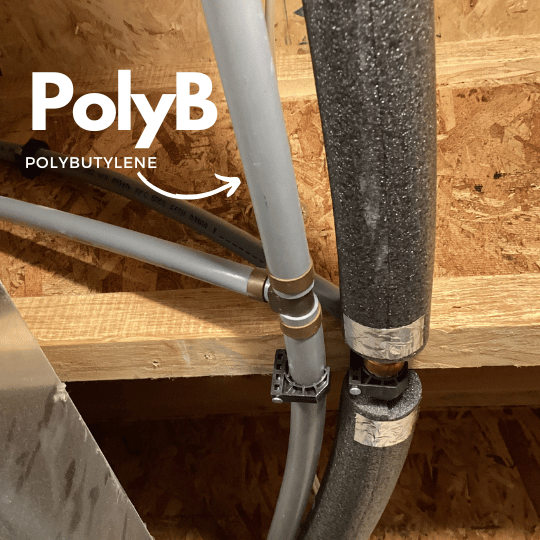
Poly-B water pipes are known for their light grey colour and specific markings. Here's how you can identify Poly-B piping:
You may have Poly-B water pipes if your home was built from 1975 to the late 1990s. Poly-B was not used before 1975. (Poly-B was not produced after 1998, but was still installed at that time.)
If you're uncertain about the type of plumbing in a property, consider scheduling a consultant service call with a plumbing technician, who can help you accurately identify the material and provide recommendations based on their expertise.
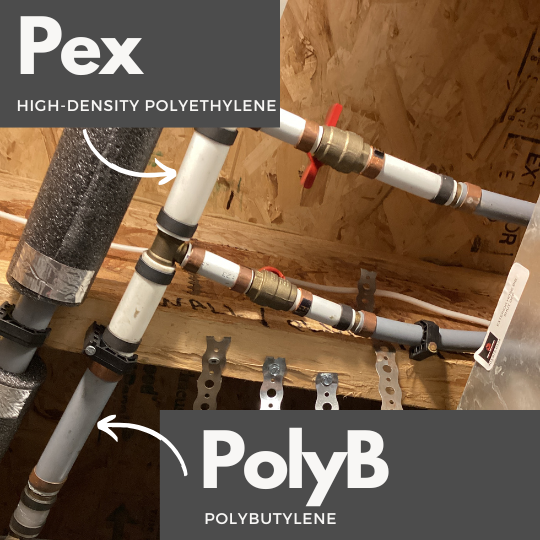
In this image, the Poly-B is in grey, and the PEX is white. Pex is the modern material most often used for water lines. Poly-B, which is very undesirable, was commonly used before the 2000s. (Copper water lines are common in homes built from the 1930s to 1960s.)
It is estimated that in Alberta, Poly-B piping was installed in 148,000 homes. If your home was built or renovated between 1975 to the late 1990s, you are more likely to be at risk for having Poly-B water lines installed in your home.
Fortunately, in Alberta, homes installed with Poly-B water lines primarily used copper or brass metal insert fittings and soft copper crimping rings, not plastic insert fittings with aluminum or copper bands. Plastic insert fittings are reported to be more susceptible to failure.
In the National Plumbing Code of Canada 2005, Poly-B piping was removed as an acceptable plumbing piping material. Unfortunately, codes are not retroactive. This means that because Poly-B water lines were previously acceptable products, many Alberta homes still have Poly-B.
In response to the failing Poly-B, there were class action lawsuits, with homeowners seeking damages.
Since that time, the lawsuits in Alberta have closed. Homeowners who were affected by Poly-B plumbing had until May 31, 2005, to submit their claims or join the lawsuit. The goal of the lawsuit was to provide affected homeowners compensation for damages and repairs resulting from Poly-B plumbing. If they wanted to be part of the potential settlement, they needed to replace the Poly-B pipes and report the damages in their home.
Homes with Poly-B can limit the value that a home can sell for. For example, it is widely known that Poly-B can and will fail over time.
Unfortunately, a homeowner may run into problems when trying to sell their home if the home was installed with Poly-B water pipes.
Replacing the Poly-B water pipes is a good investment. Not only will it prevent future damage caused by failing pipes, but it will also maintain your home's value when you go to sell your home.
Polybutylene (Poly-B) piping can impact homeowners' insurance in Alberta because of the known failure risks of Poly-B water lines. Some insurance companies may have specific policies for Poly-B, including damage caused by Poly-B not being covered. Homeowners with Poly-B may find their insurance premiums are higher. Some insurance companies require a plumbing inspection before they will insure a home with Poly-B.
When you apply for or renew home insurance, the insurance company may inquire about the type of plumbing material in your home. It is important to be honest. If you make an insurance claim related to Poly-B piping, the insurance company may assess the situation to find out if the damage was caused by a known issue related to Poly-B piping. Consequently, the claim might have limitations, exclusions, or increased deductibles.
Some insurance companies may be more lenient about the Poly-B policy, compared to other insurance companies that have more stringent policies. Make sure you review your policy with your insurance provider for their stance on Poly-B plumbing.
I purchased a home, a duplex that was built in 1997. Unfortunately, it had poly-B water lines through the upstairs and basement. I was concerned, but I was able to get insurance without any plumbing remediation.
10 years later, I decided to buy the other side of the duplex. I felt comfortable with the Poly-B because I had no problem getting insurance on the original purchase. It was built the same year and used the same materials, including Poly-B. 10 years later, the same insurance company would not insure the home without remediation.
If you are selling a home with Poly-B, understand that this could be a pain point in the negotiations and will likely be flagged in the home inspection.
If you are buying a home with Poly-B, be sure to budget the cost of replacing the Poly-B plumbing.
If you have Poly-B water lines in your home, you should address the issues before they become major problems. Schedule a service call to understand the specific concerns about your plumbing and how invasive the replacement and repair would be.
Typically, the best solution to replace the Poly-B water lines is PEX, cross-linked polyethylene pipes. (In older homes, most often the water lines were copper.) In modern builds, PEX is used for water lines because it is durable, flexible, easily installed, and less expensive (compared to copper piping).
In most situations, the plumber will need to cut into the drywall to remove the Poly-B water lines. If you are doing a renovation in your home, replacing the Poly-B would likely be something you want to do at the same time. Patching drywall and painting will most likely be required.
When getting a quote from a plumbing company regarding replacing Poly-B, ensure that you understand the number and size of exit and entry points that will be required to access the Poly-B water lines.
Also, it is important to understand that a plumbing company will be well-equipped to deal with the Poly-B and replace it. Most likely, you will have to hire another service to repair the drywall.
Look for a plumbing company that will stand behind their work. If you are investing in new water lines to replace the existing Poly-B, it is important to choose a company that will stand behind their work. The Gentlemen Pros offer a warranty on Poly-B replacement for as long as you own the home.
TRENDING NEWS
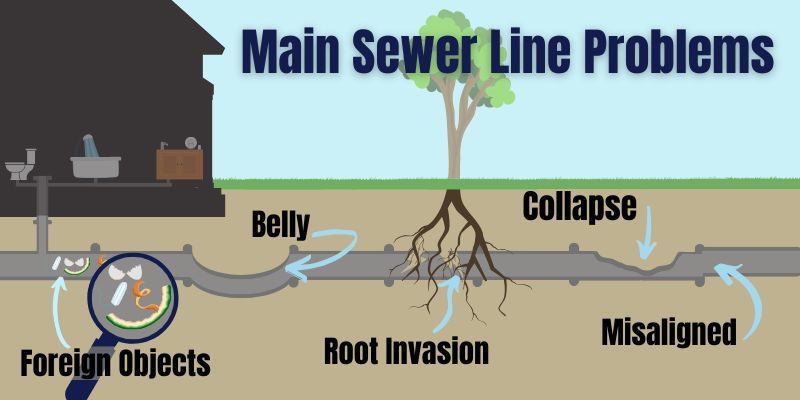
Learn what causes sewer backups, how to spot the warning signs, the difference between a drain clog and a main sewer problem, and which repair options offer a real long-term fix.




Plumbing, heating & electrical service
2026 The Gentlemen Pros