Sewer Backups: Everything You Need to Know
Learn what causes sewer backups, how to spot the warning signs, the difference between a drain clog and a main sewer problem, and which repair options offer a real long-term fix.


Wondering if your home needs a sump pump? Learn what sump pumps do, signs your basement may be at risk, and why this simple system can help protect your home from groundwater flooding.
Flooding has become a growing concern for homeowners across Canada, and basement water problems are more common than many people realize. A sump pump is one of the most practical ways to help protect your home from groundwater entering through the foundation.
The purpose of a sump pump is to remove groundwater that seeps into the foundation area of your home. Like a smoke alarm, it may only be needed occasionally, but when it is needed, it can help prevent a very costly problem.
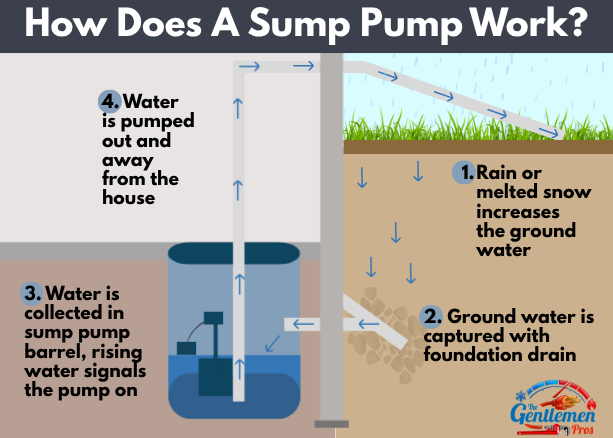
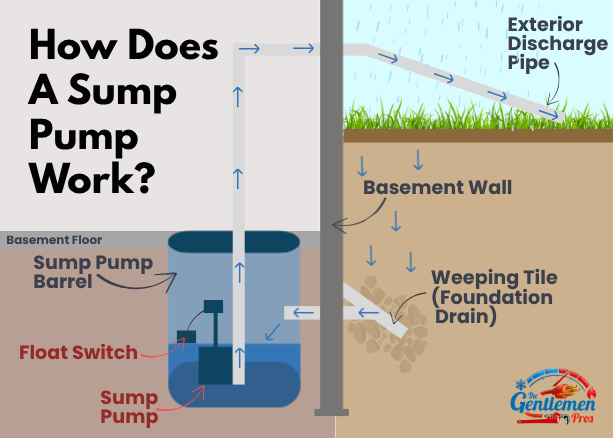
A sump pump works by collecting water in a sump barrel or pit and then pumping that water away from the house through a discharge pipe.
Water collected by drainage systems around the home, such as weeping tile, is directed toward the sump pit. As the pit fills, a float inside signals the pump to turn on. The pump then moves the water up and away from the foundation.
If you are unsure whether your home needs a sump pump, there are several signs and questions worth considering.
If your home has flooded in the past, even years ago, that is one of the clearest signs that a sump pump may be a wise investment. Signs of previous water damage can include warped baseboards, swollen flooring, staining, or other evidence of past moisture problems.
A persistently damp basement, musty smell, or visible mildew may suggest groundwater seepage or excess moisture entering the foundation. If you are not sure where the moisture is coming from, it may be time to have the home evaluated.
If homes in your neighbourhood have sump pumps, there is a good chance your home may benefit from one too. Local conditions such as groundwater levels and drainage patterns often affect entire areas, not just one house.
Heavy rain, rapid snowmelt, or sudden weather swings can create a surge of water around the foundation. If your basement gets wet or shows signs of seepage during these times, a sump pump may help manage that water before it becomes a flood.
Homes built near a high water table are more likely to need sump pumps. In some cases, a second pump, battery backup, or alarm may also be recommended for additional protection.
Water tables can also change over time due to seasonal conditions, natural ground movement, or nearby construction activity.
Possibly. Groundwater does not only affect low-lying homes. Underground water systems can exist in many locations, including hills and elevated areas. Even if your home sits higher than surrounding properties, groundwater may still find a path toward your foundation.
No. In many homes, a sump pump is simply a preventative measure. Some sump pumps may rarely be used, but they are installed to help reduce the risk of future flooding and water damage.
Yes, an older home can often be retrofitted with a sump pump and sump pit. Depending on the layout and drainage needs of the home, the installation may range from relatively straightforward to more involved.
In some homes, work may be needed to improve drainage around the basement floor so water is directed properly into the sump pit. Because every home is different, professional evaluation is recommended before moving forward.
Installing a sump pump is a significant job and there are several details that need to be handled correctly. Placement, drainage, pit protection, discharge routing, and pump sizing all matter.
For that reason, most homeowners are better served by hiring an experienced professional.
Regular inspection and testing are important. The float should be tested periodically to make sure it activates the pump properly. In Alberta, early spring is a smart time to test the system before heavier seasonal moisture arrives.
A yearly plumbing inspection can help confirm that the sump pump is operating properly and ready when you need it most.
A sump pump can be one of the simplest ways to reduce the risk of basement flooding and groundwater damage. If you are noticing dampness, seepage, or signs your home may be vulnerable, it is worth having your system reviewed before a bigger problem develops.
The Gentlemen Pros can help with professional plumbing services and home evaluations to determine whether a sump pump is right for your home. You can also learn more about our membership options for ongoing plumbing inspections and maintenance.
TRENDING NEWS
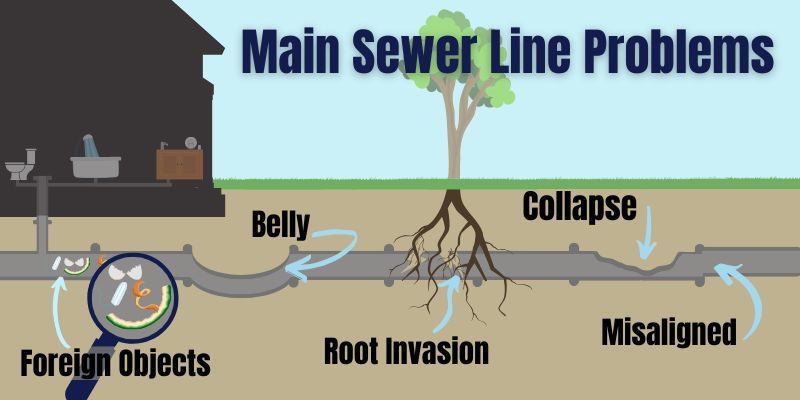
Learn what causes sewer backups, how to spot the warning signs, the difference between a drain clog and a main sewer problem, and which repair options offer a real long-term fix.




Plumbing, heating & electrical service
2026 The Gentlemen Pros