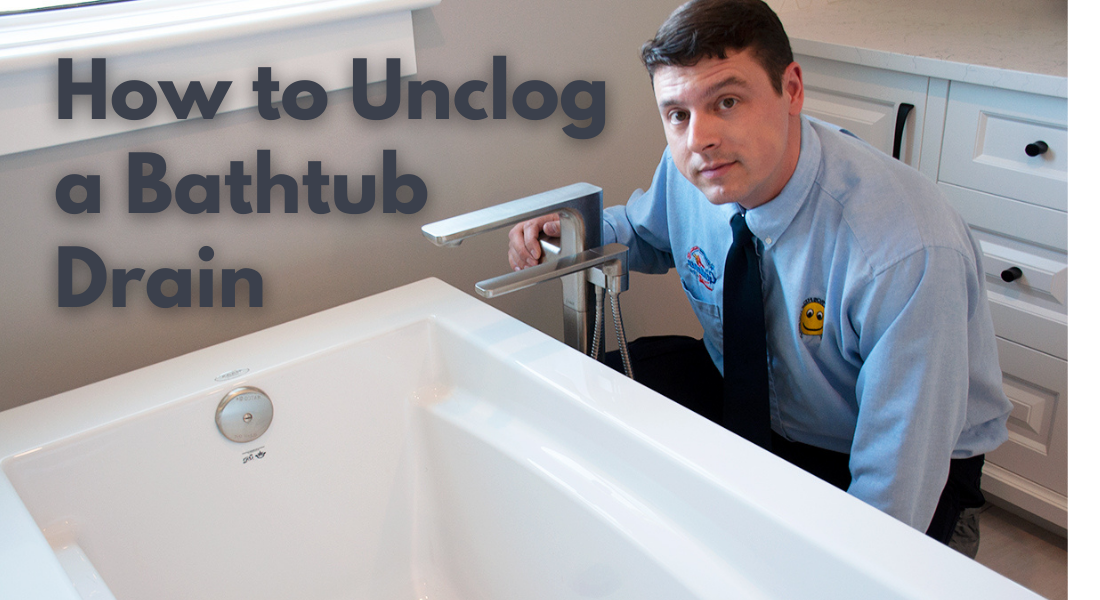
Sewer Backups: Everything You Need to Know
Learn what causes sewer backups, how to spot the warning signs, the difference between a drain clog and a main sewer problem, and which repair options offer a real long-term fix.


Learn the difference between a simple drain clog and a main sewer line blockage, plus the safest ways to clear drains and help prevent future plumbing problems.
Summarize with
Clogged drains are inconvenient, frustrating, and often messy. The good news is that some clogs are minor and easy to deal with, while others can be caught before they turn into a major plumbing problem.
If you are dealing with a slow sink, a backed-up tub, or recurring drain issues, it helps to understand the difference between a simple fixture clog and a larger main sewer line problem.
A drain is considered clogged when water no longer drains properly or when it drains much more slowly than usual. In many homes, clogs build gradually, so the first sign is often a sink, shower, or bathtub that gets slower over time.
A slow-draining tub, shower, or sink usually points to a local clog in that fixture's drain line. That is different from a blockage in the main sewer line, which is much more serious.
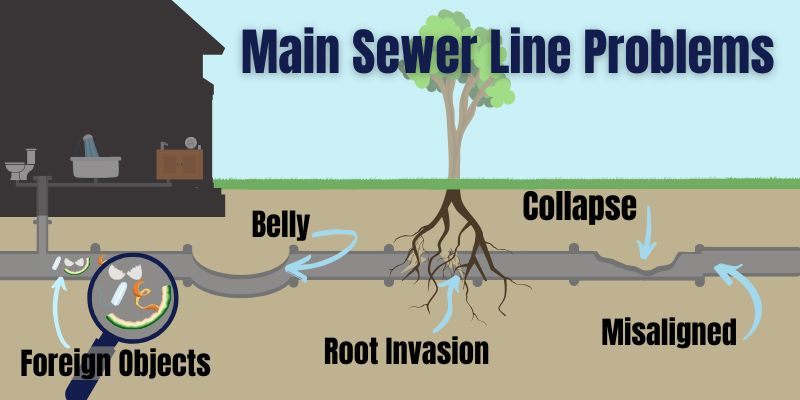
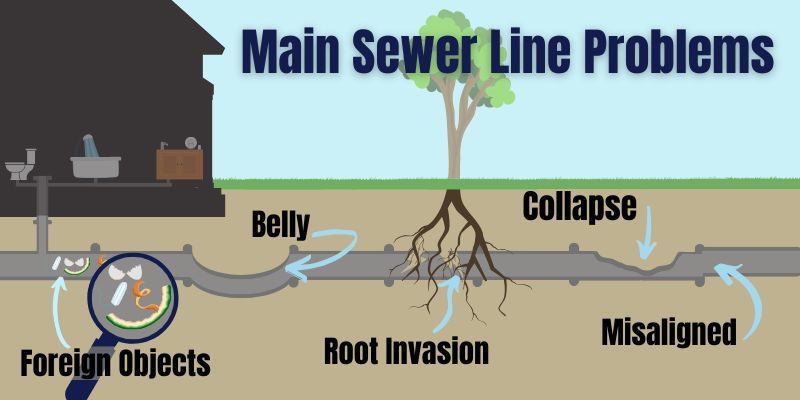
Your main sewer line is the pipe that carries wastewater from all the drains in your home out to the municipal sewer system. When that line becomes blocked, the wastewater has nowhere to go and may start coming back into the lowest drains in the home.
If wastewater begins backing up into a basement floor drain, basement shower, or basement tub, that can be a sign of a main sewer line problem rather than a simple sink or tub clog.
Main sewer line issues often require more involved diagnostics and repair. Because the pipe is larger and buried underground, it may need a camera inspection and professional clearing equipment. In many cases, the clog is not the only problem. Cracks, pipe bellies, pipe misalignment, leaks, or tree roots can all contribute to a blockage in the main line.
Most household drain clogs happen because of normal day-to-day use. Over time, residue and debris collect in the pipe until the drain slows down or stops working properly.
Two of the most common causes of shower and bathtub clogs are hair and soap scum.
Hair tends to gather inside the drain and create a web-like blockage. As soap scum and other debris move through the pipe, they can get caught in that buildup and make the clog worse over time.
Soap scum can also become a major issue in homes with harder water. It can leave residue on fixtures and inside the drain itself, gradually narrowing the passage for water.
In bathroom sinks, clogs often form from a combination of soap residue, hair, and grooming products. In kitchen sinks, grease, food particles, and soap buildup are common contributors.
Once a clog starts forming, more debris tends to stick to it, making the problem grow faster.
The best method depends on where the clog is located and how severe it is.
For a sink, tub, or shower drain, manually removing the clog is often the best place to start. A simple plastic drain tool or even a carefully straightened hanger may help remove hair and debris near the opening.
A small hand auger, sometimes called a snake, can also help with clogs that are a little deeper in the line. These tools can travel farther into the pipe and may be able to hook or break through the blockage.
For main sewer line clogs, the process is more involved. Professional augers and, in some cases, hydro jetting may be used depending on the condition of the line and whether the sewer is actively backing up.
If a basic drain tool or hand auger does not solve the problem, it is a good idea to call a professional plumber. Some clogs are too deep, too dense, or caused by larger underlying issues that need professional equipment to identify and remove properly.
A plumber can also determine whether the clog is part of a bigger issue with the drain or sewer line and recommend the best next step. If you need help with a clogged fixture or sewer concern, The Gentlemen Pros provide professional plumbing services for homeowners.
For ongoing maintenance, a bacterial drain cleaner is often a safer option than a harsh chemical cleaner. These products introduce active bacteria into the drain system to help break down organic material that can collect inside the pipes.
Bacterial cleaners can help reduce odours, support regular drain maintenance, and may help prevent future buildup when used consistently.
Harsh liquid drain cleaners are not a good choice for most homes. While they may sometimes break down part of a clog, they can also damage drain pipes, especially in older plumbing systems.
They may also interfere with beneficial bacteria if you are already using a bacterial drain maintenance product. In many cases, the risk to your plumbing is not worth it.
Main sewer lines should be inspected regularly, especially in older homes or in homes with a history of sewer issues. An annual camera inspection can help identify developing clogs, root intrusion, or pipe damage before it turns into a major backup.
Interior drains also benefit from regular maintenance. How often they need attention depends on how the plumbing is used and how careful the household is about what goes down the drain.
If clogs happen often, it may be worth scheduling routine drain service. If your household is careful and you use a bacterial cleaner as part of regular maintenance, professional visits may be needed less often.
A clogged drain may start as a minor annoyance, but a neglected main sewer line issue can eventually become a serious and expensive backup. Understanding the warning signs and acting early can save a lot of stress, mess, and money.
If you are dealing with recurring clogs or want help maintaining your drains and sewer line, The Gentlemen Pros can help. You can also learn more about our membership options for ongoing plumbing maintenance support.
TRENDING NEWS
Learn what causes sewer backups, how to spot the warning signs, the difference between a drain clog and a main sewer problem, and which repair options offer a real long-term fix.




Plumbing, heating & electrical service
2026 The Gentlemen Pros