Gas Furnaces vs Electric Furnaces in Alberta
Comparing gas furnaces vs electric furnaces in Alberta? Learn the differences in heating speed, installation cost, and monthly operating costs before choosing a new furnace.

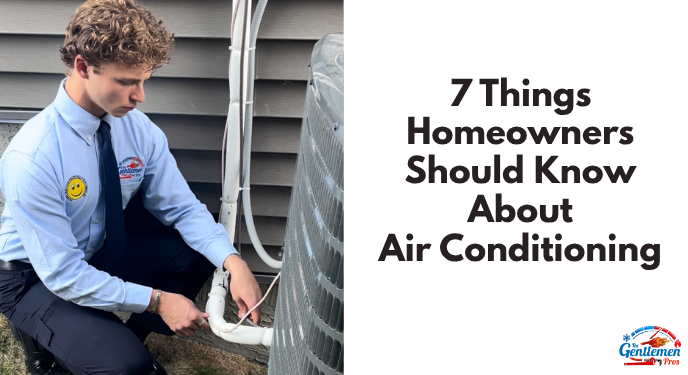
These are the things we see homeowners get wrong — over and over again. Some of them are simple. Some cost people thousands of dollars. All seven are worth knowing before you buy, install, or run your air conditioner this summer.
Summarize with
This is one of the most common mistakes in the industry, and it matters more than most homeowners realize.
Square footage is just one factor. A proper sizing calculation — called a Manual J load calculation — also accounts for:
Bigger isn't always better. An oversized AC cools your home too quickly without properly removing humidity — leaving you with a clammy, uncomfortable home even when the temperature is technically right.
An undersized unit, on the other hand, will run constantly and still struggle on hot days. The rule of thumb — roughly 1 ton of cooling for every 400–600 square feet — is a starting point, not a final answer. We strongly recommend having an HVAC specialist do a detailed load calculation before you buy anything.
Your AC and furnace share the same ductwork and the same blower. That means a dirty furnace filter doesn't just affect your heating — it directly affects how well your air conditioner performs.
A clogged filter restricts airflow, forces your AC to work harder, reduces efficiency, and puts unnecessary strain on the system. It's one of the simplest things you can do to protect a significant investment.
Check your filter monthly during cooling season and replace it as needed. If you have pets or allergies, you may need to change it more frequently than the packaging suggests.
The outdoor condenser unit needs clear space around it to do its job. The condenser releases the heat pulled from inside your home — and if that airflow is blocked, the whole system suffers.
Keep weeds, grass, plants, and debris well clear of the unit. After a windy day, check for leaves or debris caught in the fins. Restricted airflow around the condenser forces the compressor to work harder, reducing efficiency and shortening the life of the unit.
The coils and fins on your outdoor unit bend and damage very easily — never try to clean them yourself with a pressure washer or stiff brush. Always have a professional handle it.
Cold air coming out of the vents is a good sign, but it doesn't tell the whole story.
If your system is running constantly, struggling to cool certain rooms, or your energy bills have jumped unexpectedly — don't ignore it. Those are signs something is wrong, even if the air feels cold.
Common culprits include low refrigerant, airflow restrictions, a dirty coil, or a unit that was never properly sized for the home. Left unaddressed, these issues put extra strain on the compressor — the most expensive component in the system.
Ice on the refrigerant line or the indoor coil is not a sign that your AC is working extra hard. It is a warning sign.
A frozen AC usually means there's an underlying issue — restricted airflow, low refrigerant, or a dirty coil — that needs attention. Running a frozen AC can damage the compressor.
If you notice ice forming, turn the system off and let it thaw. Then call a technician to find out why it happened. Do not just let it thaw and keep running — the problem will come back, and it will likely get worse.
An air conditioner is not a set-it-and-forget-it appliance. Like your furnace or your car, it needs regular attention to perform reliably and last as long as it should.
Annual maintenance gives a technician the chance to catch problems early:
Some manufacturers also require yearly maintenance to keep your warranty valid. Skipping annual service to save money can cost you both the repair bill and your warranty coverage.
A little preventative maintenance each year is a fraction of the cost of a major repair — and nowhere near the cost of a full replacement.
This is the one that catches the most people off guard, especially in Alberta.
In most Calgary, Edmonton, and Red Deer homes, your central AC uses the same furnace ductwork to distribute cool air through the house. That shared system means everything that affects your furnace's airflow also affects your AC.
Blocked vents, closed registers, dirty filters, or restricted ducts can seriously reduce how well your AC cools your home — even if the unit itself is perfectly fine.
A few things that help:
Good airflow is the foundation that everything else is built on. The best AC unit in the world will underperform in a home with restricted or poorly balanced ductwork.
TRENDING NEWS
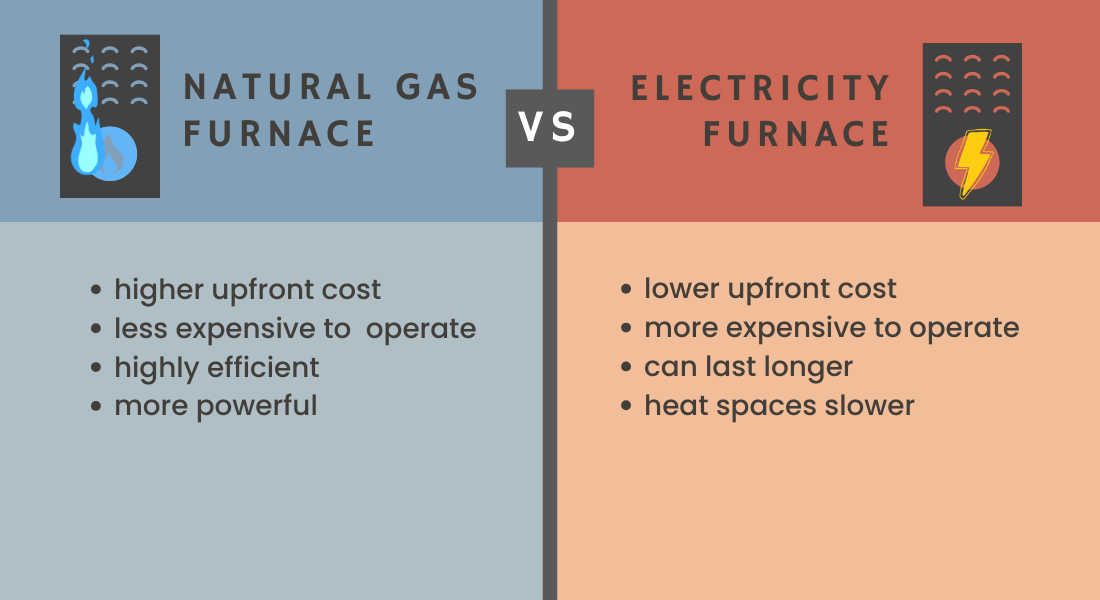
Comparing gas furnaces vs electric furnaces in Alberta? Learn the differences in heating speed, installation cost, and monthly operating costs before choosing a new furnace.




Plumbing, heating & electrical service
2026 The Gentlemen Pros