Is Your Home Wasting Water? Can Upgrades Help To Reduce Water Usage?
The average person in Edmonton uses 4,800 litres of water per month, which is approximately 160 litres per day.
Summarize with
Most of us typically use most of our water usage when using toilets, faucets, showers, dishwashers and washing machines. So upgrading items in our homes potentially pays off.
Upgrading to WaterSense-labelled bathroom fixtures like showerheads, bathroom faucets or toilets can typically save you money and reduce your water consumption.
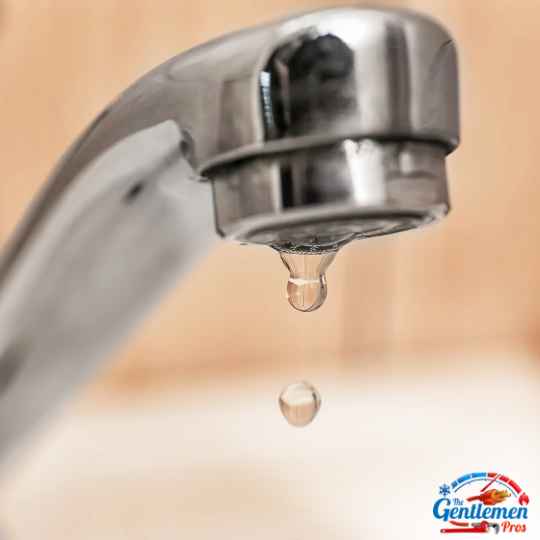
The slow dripping from faucets accumulates and builds up over time. Leaking from a fixture can add expense to your water bill. Plus, it puts a strain on our city's water system.
A common offender is our toilet because often their leaks are silent. Check them first and repair or replace worn parts.
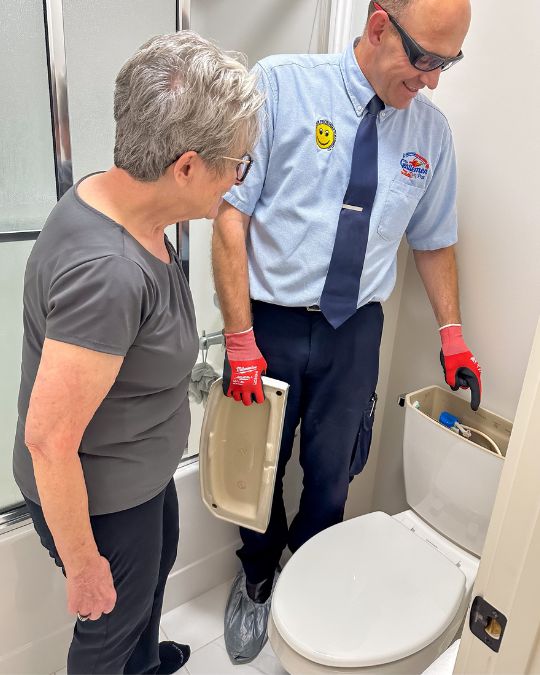
The best way is to drop a few drops of food colouring in the toilet tank (the back of your toilet). Wait 10-15 minutes. If the colour runs into your toilet bowl, you have a leaking toilet.
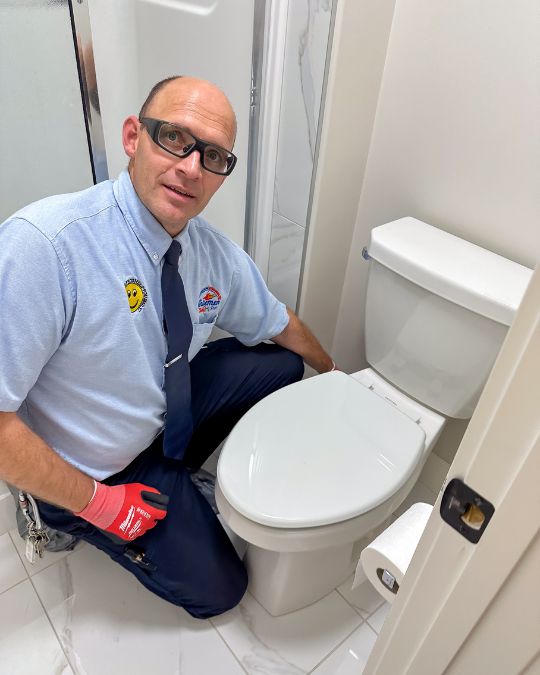
This means water is escaping from the toilet tank to the toilet bowl when you are not flushing. You are wasting water. A running toilet will increase your water bill. Often, it is a gradual problem that gets worse. You may overlook the increased usage and cost. It is typically time to call The Gentlemen Pros for toilet repair or replacement in Edmonton. Small fixes can sometimes be done, but most often, due to the age of the toilet, a new toilet is required to fix the issue.
Which faucet in your home is the easiest to upgrade?
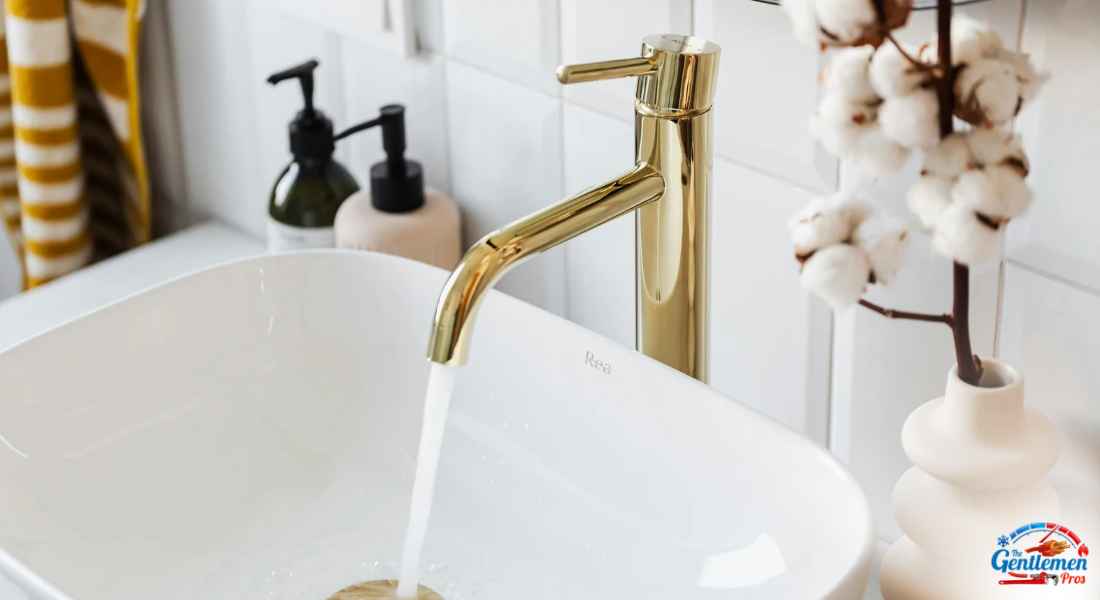
Faucet aerators are the easiest faucet upgrade in your home.
The aerators reduce water flow while maintaining good pressure. They're inexpensive and quick to install, and they cut water use every time you turn on the tap.
Are low-flow showerheads worth it?
A low-flow showerhead reduces consumption without changing your routine. The bathroom is one of the main sources of water usage in most homes. When you pair taking shorter showers with a low-flow showerhead, you can potentially see even bigger savings.
An older toilet is one that is any toilet model manufactured before the mid-1990s that usually used 13 litres of water per flush. If your toilet is an older model, probably. High-quality low-flow toilets use less water per flush. Toilets that were produced in the late 1990s to 2010s normally have 1.6-gallon (6 L) tanks and they are also considered to be outdated. The toilets today labelled WaterSense Standard are typically 4.8 litres only (1.28 gallons).
13 L
per flush Before the mid-1990s
1.6 gal
tanks Late 1990s to 2010s
4.8 L
(1.28 gallons) WaterSense today
Replacing that old toilet or toilets in your home may cost you more money right now, but it can typically save you money in the future.
If a full replacement isn't in the budget, try adjustable flappers to control water per flush, and replace worn flappers so water isn't leaking from the tank into the bowl.
How can I stop wasting water while waiting for the water to heat up?
Upgrading to a more efficient water heater from The Gentlemen Pros typically cuts down how long you wait for hot water. Also, insulating hot water pipes and placing the water heater closer to where hot water is used typically shortens the wait at the faucet. Try collecting all the extra cold water you normally run down the drain and use it on your houseplants.
Pro Tip
Three ways you can check your water efficiency:
Test all toilets for silent leaks. Drop food colouring into the toilet tank and wait 10-15 minutes without flushing; if the colour appears in the bowl, you may have a leaking toilet.
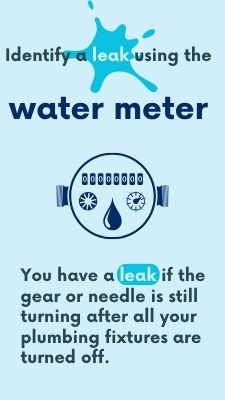
Check your water meter: Turn off all taps and appliances in your home and then record the water meter reading. Check the water meter again; if it moves, it typically indicates a leak.
Repair or replace all dripping faucets: You can first try to replace all worn-out washers and cartridges on your dripping faucets. If they are still dripping, your faucet typically needs to be replaced.
Does my garbage disposal use more water than I think?
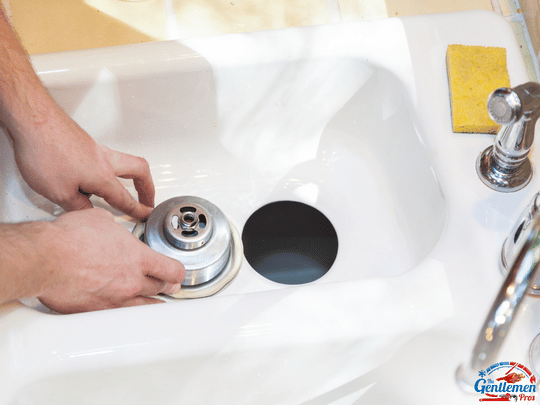
Garbage disposal units use a lot of water to grind up your food.
Water needs to run before and during the grinding process to keep the motor cool, prevent food from sticking to the blades, and water flushes the ground-up food waste through your pipes.
Composting food scraps is a better option and saves water too.
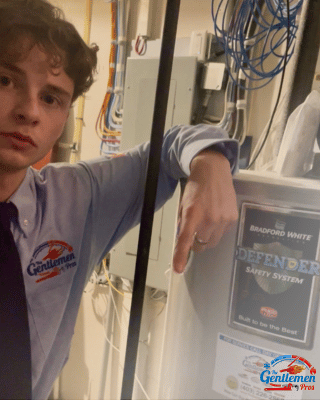
Check your hot water tank monthly to ensure it is not leaking.
We typically recommend replacing the anode rod in your hot water tank every 3-4 years. The anode rod typically protects your hot water tank from rust and can potentially lengthen the lifespan of your hot water tank.
Which fixture should I replace first?
It is often hard to know where to start when replacing fixtures, and you don't have to do everything all at once.
Begin with leaks, aerators and a low-flow showerhead, then add larger upgrades over time.
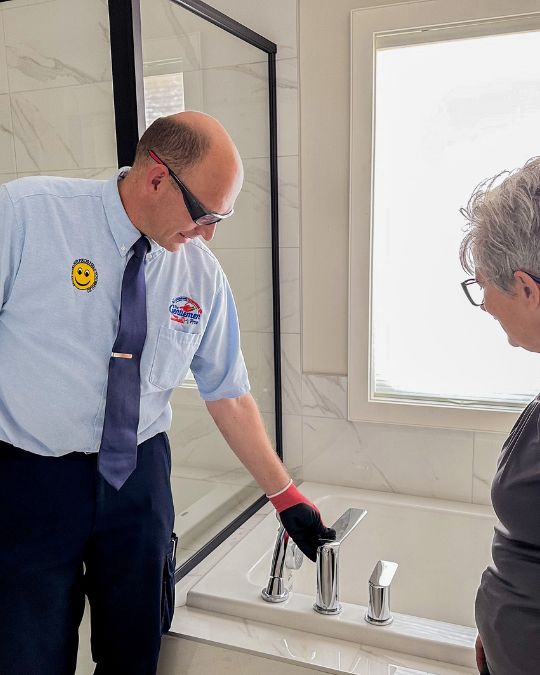
If you suspect a hidden leak, The Gentlemen Pros' leak detection service can find it, and our plumbers can help with upgrading fixtures.
What can I do to prepare my household for a water emergency?
The Government of Alberta recommends keeping a 72-hour kit in your home, which includes storing 12 litres of water per person.
Pro Tip
As a plumbing company, we also know that people use water for bathing, cleaning, and other uses around their home. We recommend storing even more water than the 12 litres recommended. It is up to each household to determine what that amount should be.
Where does the City of Edmonton get its drinking water from?
The City of Edmonton gets its drinking water from the North Saskatchewan River. We rely on the Rossdale and E.L. Smith treatment plants for our clean drinking water.
The Rossdale and E.L. Smith treatment plants are located along the North Saskatchewan River floodplain. EPCOR is building flood protection to protect critical equipment which is used to clean our drinking water.
Most homeowners don't think about their plumbing until something starts leaking. A small leak in a wall or under a sink can continue for months before it's found, and by then the repair often becomes more involved than replacing a pipe or fitting.