What Are the Most Common Electrical Problems in Your Home?
Learn the most common electrical problems homeowners face, including tripping breakers, dead outlets, flickering lights, hot switches, and when it is safest to call an electrician.


Your electricity bill can feel confusing, but once you understand the basic sections, it becomes much easier to see what you are paying for and why.
Summarize with
Your electricity bill can seem like a jumble of numbers and terms. Most homeowners know the total amount due and the payment deadline, but may not fully understand what each charge means or why the bill changes from month to month.
To start, it helps to understand Alberta’s energy market. Alberta has a deregulated electricity market, which means homeowners can choose the electricity provider that best fits their needs. That also means there can be several provider options depending on where you live. For example, a homeowner in Red Deer may be able to choose from multiple electricity providers.
Although each provider uses its own bill format, most electricity bills include the same basic information.
Even though layouts vary by provider, most bills include:
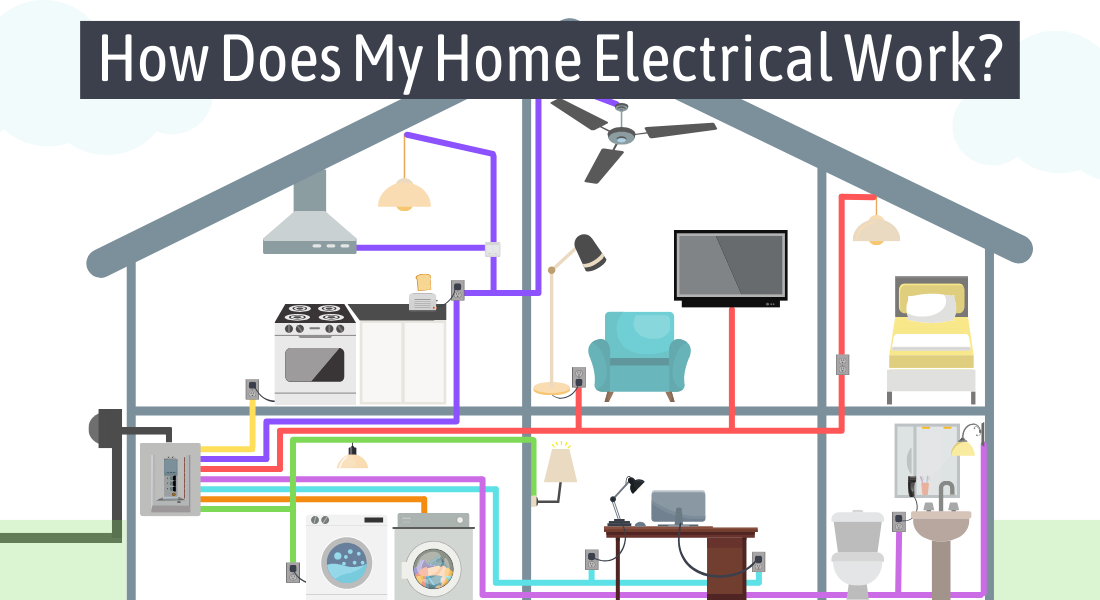
Delivery charges cover the cost of getting electricity to your home. These charges may be divided into transmission and distribution. Transmission refers to moving electricity from its source to your local area, while distribution refers to delivering it through the local infrastructure to your home. These charges help pay for installing, operating, and maintaining the electrical system.
Your distributor pays a fee to the local government for the use of municipal land, property taxes, and the right to distribute electricity within the community. This cost is then shared among customers in that area.
This charge or credit is sometimes listed as the Balancing Pool Allocation. The Balancing Pool was created under Alberta legislation and manages certain obligations related to power purchase arrangements. Depending on whether it forecasts a surplus or shortfall, consumers may see either a charge or a credit on their bill.
Rate riders are temporary adjustments that reflect the difference between expected operating costs and actual operating costs for the distributor. These may appear as either additional charges or credits.
This is the cost of the actual electricity you used. Your usage, measured in kilowatt hours, is multiplied by your electricity rate per kWh to calculate this part of the bill.
Many bills also include an administration fee to cover billing and customer service costs. In Alberta, electricity bills also include 5 percent GST.
Different providers may use different labels or group charges differently, but the main sections are usually very similar. Once you understand the basics, it becomes much easier to compare bills and understand where your money is going.
If you have questions about your electricity bill, your provider can explain the billing details for your specific account. And if you have concerns about your home’s electrical system, energy use, or safety, The Gentlemen Pros is here to help with trusted electrical service in Calgary, Edmonton, and Red Deer.
TRENDING NEWS
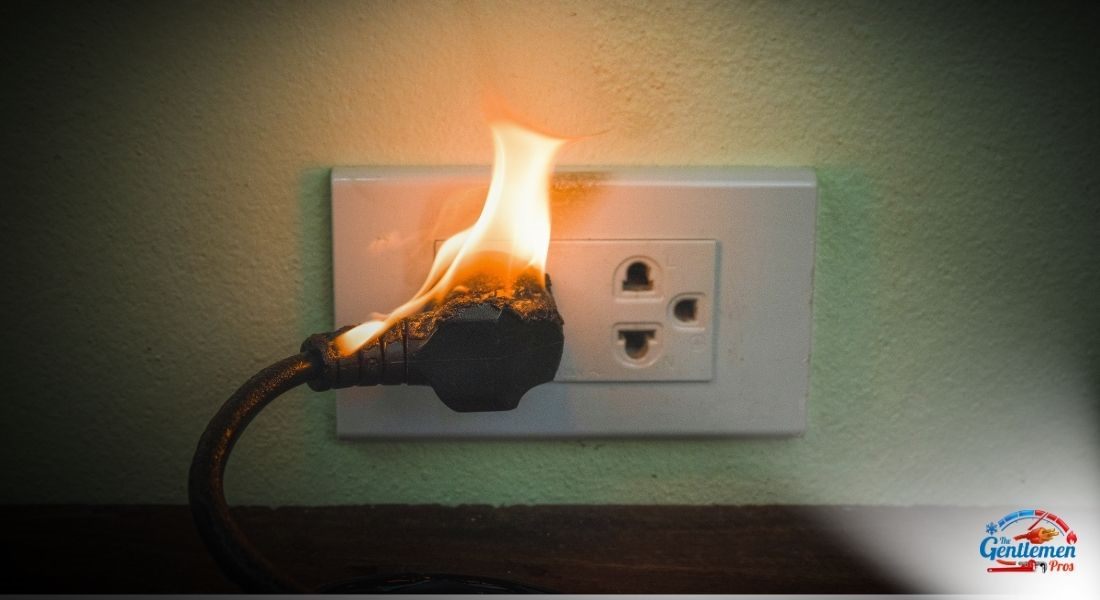
Learn the most common electrical problems homeowners face, including tripping breakers, dead outlets, flickering lights, hot switches, and when it is safest to call an electrician.




Plumbing, heating & electrical service
2026 The Gentlemen Pros